Red Poppy Wreath Embroidery
A Designer’s First Look: Rustic Charm Meets Real-World Gift Potential
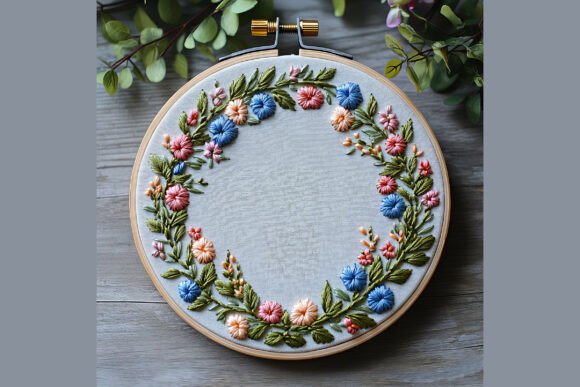
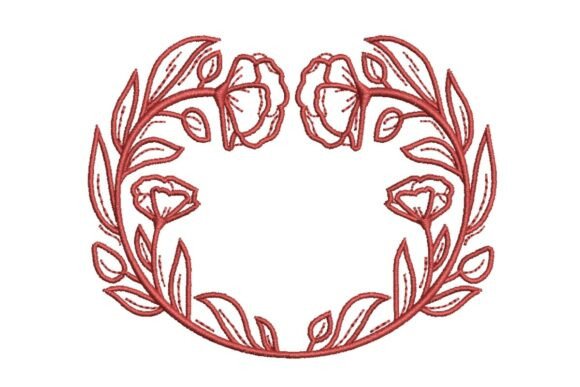
As an embroidery designer who’s developed over 200 machine embroidery designs for small shops and Etsy sellers, I opened the Red Poppy Wreath Embroidery file with quiet curiosity—not hype. This isn’t just another floral wreath; it’s a circular frame built for meaning. The moment it rendered on screen, I felt its quiet confidence: delicate but grounded, romantic without being fussy, rustic without leaning into cliché. Two gracefully curved poppy stems wrap around a soft, open center—perfect for monograms, short quotes (“Joy,” “Grow Wild,” “Est. 2024”), or even a baby’s initials in gentle script. It doesn’t shout. It invites.
Where This Design Truly Shines: From Nursery to Nuptials
The Red Poppy Wreath Embroidery is a natural fit for personalized gift products that carry emotional weight. For baby embroidery, it adds heirloom warmth to organic cotton blankets, muslin swaddles, or linen crib sheets—especially when paired with a single name or birth date inside the wreath. On a kitchen towel or apron, it whispers tradition and care, ideal for new homeowners or bridal shower gifts. As a wedding gift, it elevates pillow covers, guestbook linens, or keepsake handkerchiefs with botanical sincerity—no lace overload, no overused florals. And for Etsy sellers? It’s a standout in the Floral Wreaths category because it balances detail with versatility: not so intricate that it intimidates beginners, yet refined enough to justify premium pricing.
Small Shop & Craft Fair Friendly
- Baby product creators can use it on onesies (with careful placement), burp cloths, and milestone blankets—just avoid tight seams or stretchy knit fabrics unless stabilized well.
- Wedding gift designers love how cleanly it frames “Mr. & Mrs.” or wedding dates on linen napkins or embroidered tote bags—ideal for photo-ready moments.
- Custom tote bag makers find it scales beautifully on canvas or medium-weight cotton—centered on the front panel, it reads as intentional, not decorative filler.
- Nursery decor sellers pair it with neutral palettes: sage green thread on oatmeal linen, or deep burgundy on ivory cotton duck—each variation tells a different story.
Smart Placement Matters: Where to Use It—and Where to Pause
Like any thoughtful machine embroidery design, the Red Poppy Wreath Embroidery rewards intentionality. Its delicate stems and subtle petal layering mean it performs best on stable, medium-weight fabrics: quilting cotton, linen blends, twill, and tightly woven towels. Avoid placing it directly on thick terry cloth without heavy cutaway stabilizer—it’ll sink and blur detail. Similarly, skip highly textured fabric like bouclé or loosely knitted baby clothes unless you’ve tested stitch density and tension thoroughly.
Curved surfaces (like mugs with fabric sleeves or rounded pillow forms) require careful hooping—test first. Dark fabric demands high-contrast thread colors; light threads on navy or charcoal will read softly unless you increase top thread tension slightly. And while it’s lovely on lightweight scarves or tea towels, remember: frequent washing + fine details = potential fraying over time. Recommend gentle cycles and air-drying to customers—it builds trust in your handmade product.
Why Customers Choose It—and Why They Keep Coming Back
This isn’t just about aesthetics—it’s about perceived value. A customer choosing a personalized gift isn’t buying thread and fabric. They’re buying memory-making tools. The Red Poppy Wreath Embroidery feels handmade, even when stitched by machine. That authenticity translates to stronger buyer engagement: shoppers linger longer on listings featuring it, click through more mockups, and leave reviews mentioning “so much more elegant than expected.” For small shop owners, that means higher conversion rates. For Etsy sellers, it means better search visibility when tagged with terms like “rustic baby embroidery” or “wedding keepsake embroidery.” And because it’s inherently customizable—swap thread colors, center a name, adjust size within safe limits—it encourages repeat orders: “Can you do one in gold for my mom’s birthday?” becomes a natural upsell.
Practical Notes Every Embroiderer Should Check Before Stitching
- Test on scrap fabric first—especially if using textured or dark material. What looks crisp digitally may soften on linen or absorb on velvet.
- Confirm hoop size compatibility. Is it designed for 4x4, 5x7, or larger? Don’t assume—check the file specs before digitizing or resizing.
- Review stitch density. Too dense = stiff fabric; too sparse = fragile detail. If the poppy centers feel thin after stitching, add a light satin fill or reduce pull compensation.
- Match stabilizer to end use. Tear-away works for stable cottons; cutaway is essential for towels or stretchy blanks. For baby embroidery, consider biodegradable tear-away for eco-conscious buyers.
- Compare light/dark fabric mockups side-by-side. A warm terracotta thread pops on cream but disappears on rust—adjust accordingly.
- Inspect small details post-stitch: petal tips, stem curves, inner wreath spacing. If edges look jagged or loose, re-hoop and check needle type (size 75/11 works best for most cottons).
- Verify commercial licensing before listing finished products. Not all digital embroidery files permit resale of physical goods—read the terms before launching your Etsy seller store or wholesale line.
Final Thought: More Than a Frame—It’s a Feeling
The Red Poppy Wreath Embroidery succeeds because it understands what makes a personalized gift resonate: simplicity with soul, elegance without effort, and flexibility without compromise. It doesn’t try to be everything—it’s a quiet anchor, a circle of meaning you build around what matters most to your customer. Whether you’re stitching a blanket for a newborn, a towel for a newlywed couple, or a tote for a craft fair booth, this embroidery file helps you deliver more than decoration. You deliver intention. And in today’s handmade market, that’s the most valuable stitch of all.